
Like

Dislike

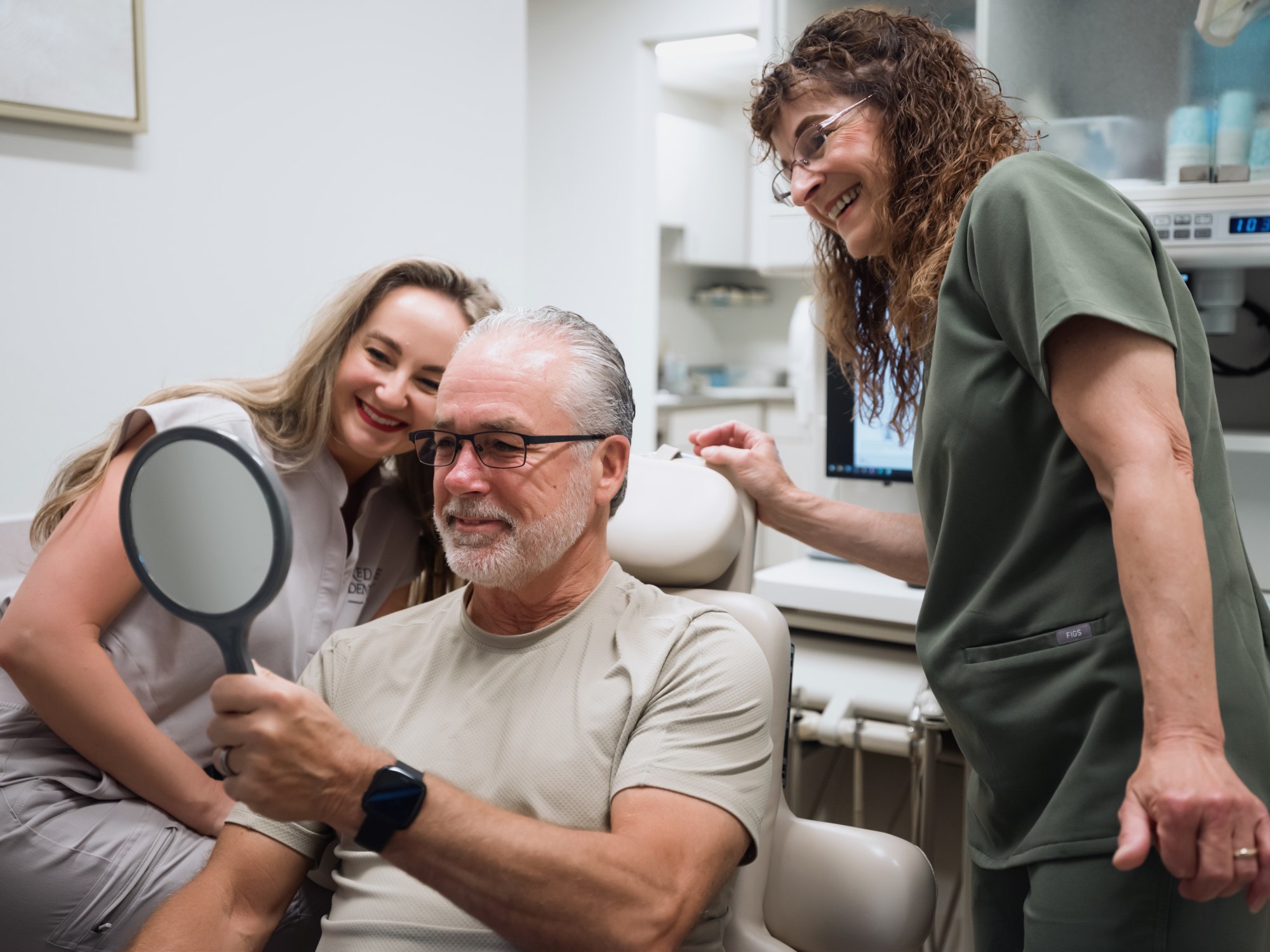
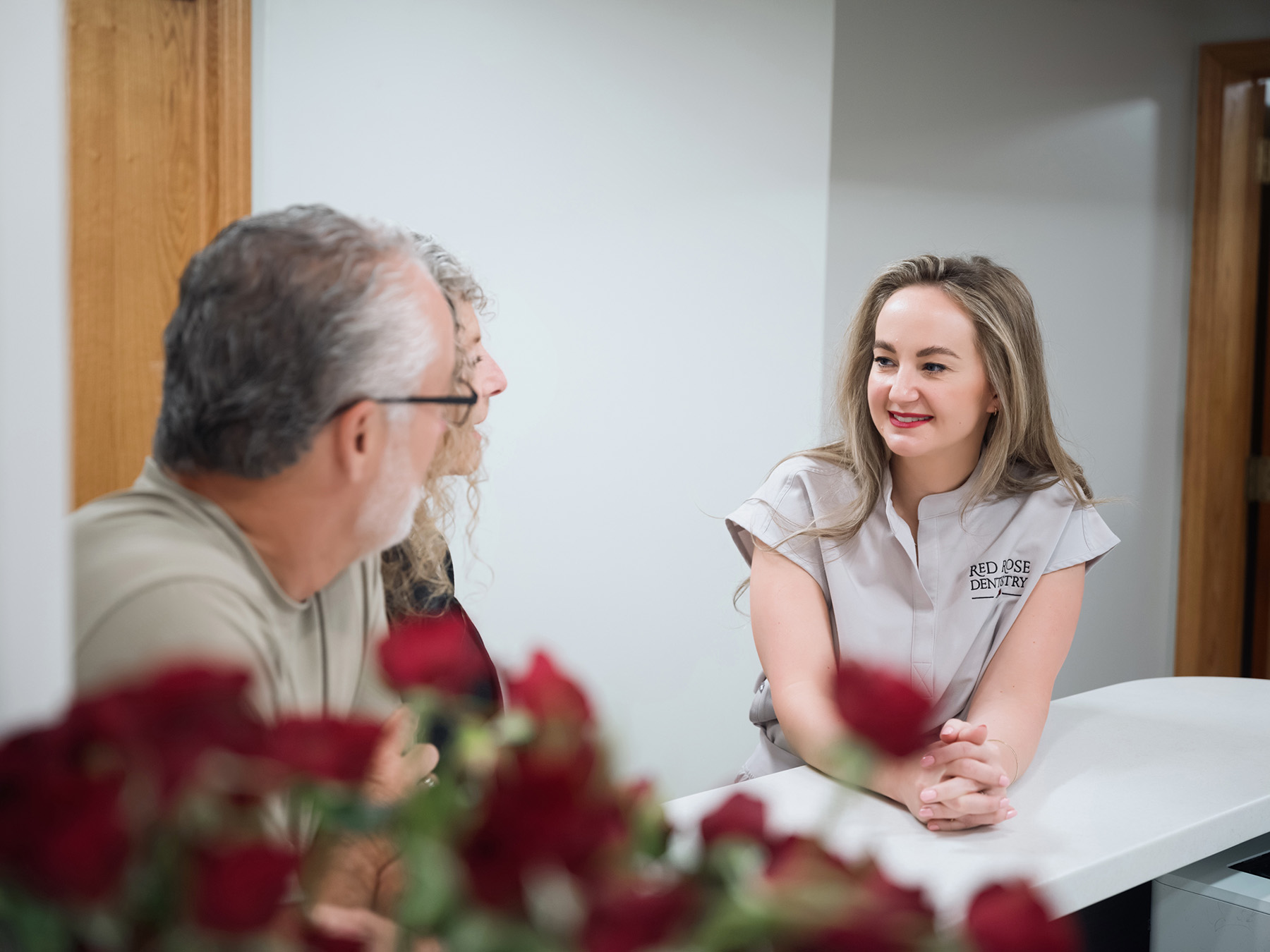
A small chip, uneven edge, or gap between your teeth can change how you feel about your smile. You may notice it in photos or when comparing one tooth to another, but you might not want to make extensive changes to otherwise healthy teeth.
BioClear bonding offers another option. At Red Rose Dentistry in Brookfield, Dr. Emily Eckdahl uses the BioClear matrix system to reshape teeth with composite resin. Unlike traditional freehand bonding, BioClear uses specially designed clear forms to guide material placement, helping create smooth contours and natural-looking proportions while preserving healthy tooth structure whenever possible.
During your complimentary cosmetic consultation, we'll help you understand what BioClear can realistically accomplish and whether it's appropriate for your teeth.
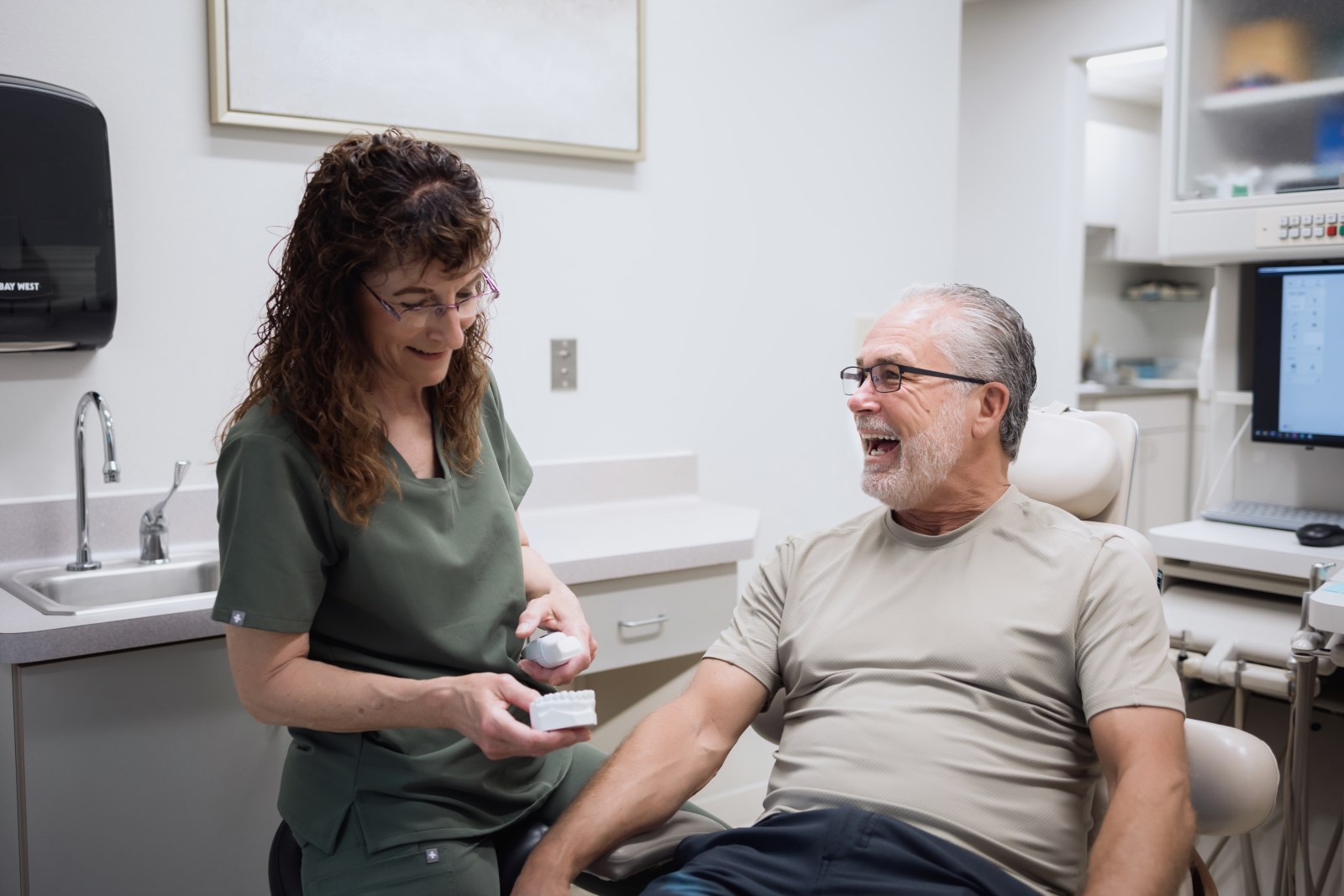
BioClear uses tooth-colored composite resin and specially designed matrices to rebuild or reshape teeth.
Traditional dental bonding involves applying composite directly to the tooth and sculpting it by hand. BioClear uses a clear matrix that fits around the tooth, guiding the material into the intended shape. This provides additional control when restoring contours and contact areas, particularly near the gumline or between neighboring teeth.
Both techniques can produce excellent results. The better choice depends on the restoration being performed.
BioClear may be recommended for:
The amount of improvement possible depends on your tooth structure, bite, gum health, and treatment goals.
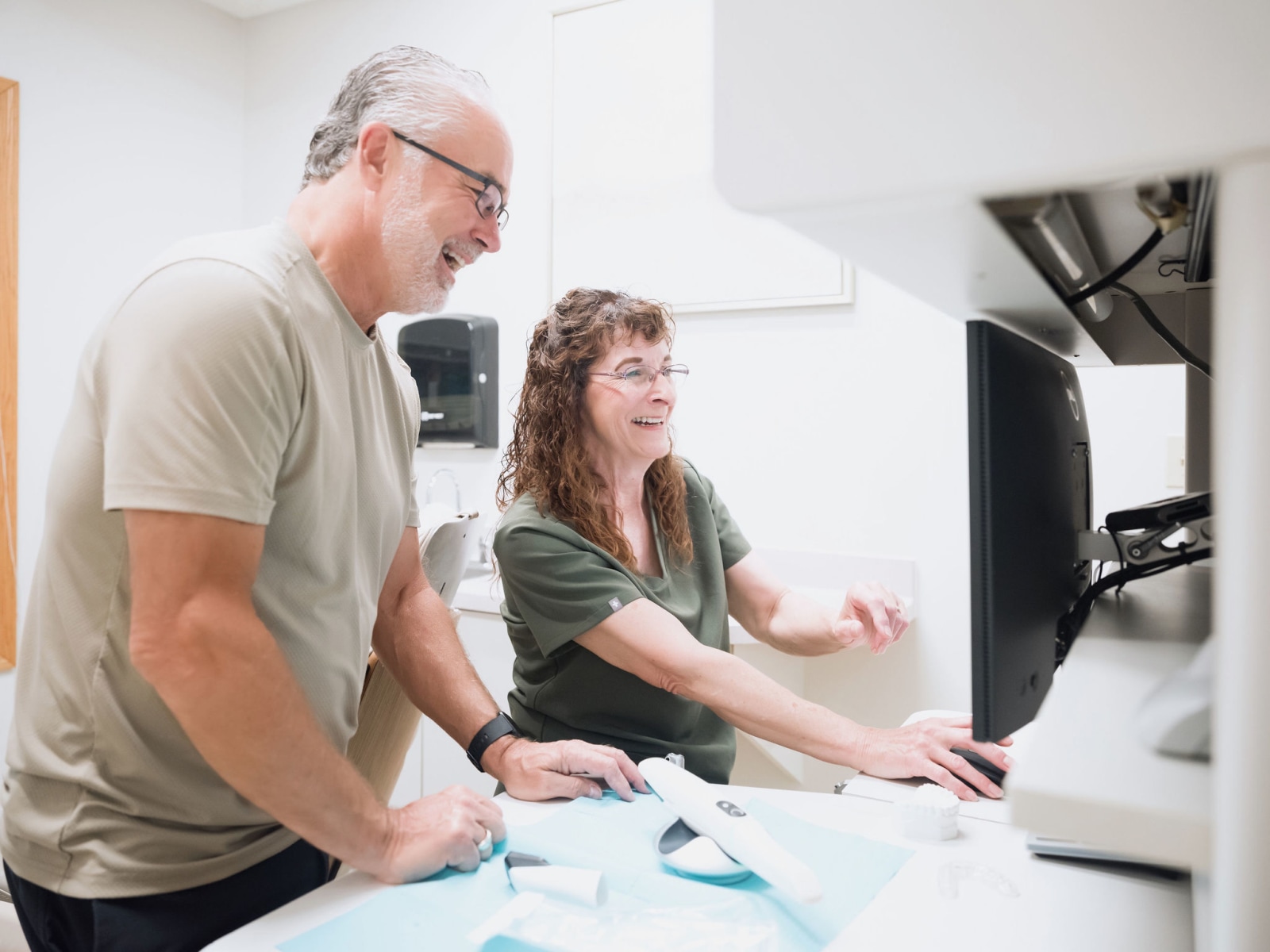
Many straightforward BioClear cases can be completed in one treatment appointment, although timing depends on the number of teeth involved.
Dr. Eckdahl will examine your teeth, discuss your goals, and evaluate your bite, alignment, existing restorations, and gum health.
If whitening or orthodontics would help achieve a more predictable result, we'll discuss the appropriate treatment sequence before proceeding.
The treatment area is thoroughly cleaned to support proper bonding. Additional surface preparation may be necessary depending on the condition of your teeth, although many cosmetic BioClear cases involve minimal alteration of natural tooth structure.
A clear, anatomically shaped matrix is positioned around the tooth to help establish the restoration's contours, including the spaces between neighboring teeth and the transition near the gumline.
Tooth-colored composite resin is placed within the matrix, bonded to the prepared tooth, and hardened using a curing light.
Dr. Eckdahl removes the matrix, refines and polishes the restoration, and checks your bite to ensure a comfortable result that complements your surrounding teeth.
BioClear improves tooth shape primarily by adding material rather than extensively reshaping the natural tooth. Many cases require little to no enamel removal, although this doesn't mean every procedure is entirely reversible or that other cosmetic treatments are necessarily less conservative.
The matrix helps guide composite into smooth, consistent contours, particularly when rebuilding worn edges or improving uneven tooth proportions.
Black triangles are dark spaces between teeth near the gumline. BioClear can sometimes reduce their appearance by adding composite to the sides of neighboring teeth.
Not every black triangle can be corrected with bonding alone. Dr. Eckdahl will assess the underlying cause before recommending treatment.
Many cases can be completed without laboratory fabrication or temporary restorations. Although composite isn't permanent, small chips or worn areas can often be repaired without replacing the entire restoration.
BioClear is particularly useful for targeted cosmetic improvements to teeth that are otherwise in reasonably good condition. However, your bite, tooth structure, and the underlying cause of the concern all influence whether bonding is appropriate.
Our goal is to address your cosmetic concerns while accounting for your long-term oral health.
Each option has advantages depending on the type and extent of improvement needed.
Traditional bonding uses composite resin shaped directly on the tooth. It's an excellent option for many small chips, minor contour adjustments, and localized repairs.
BioClear uses a matrix-guided technique that may offer additional control when rebuilding tooth contours or closing spaces. Neither approach is automatically better for every patient.
Veneers are custom-made restorations covering the visible front surfaces of teeth. They can address concerns involving color, shape, size, and proportion, while porcelain offers different optical and stain-resistance properties than composite.
Some veneer treatments require enamel preparation, with the amount varying by case.
BioClear may be appropriate when the desired improvement can be achieved by adding composite. Veneers may be preferable when greater color coverage, shape correction, or restorative support is needed.
Dr. Eckdahl will explain the advantages and limitations of each option during your consultation.
BioClear can serve patients well for years, but longevity varies according to:
Composite can gradually lose its polish, develop discoloration, or experience wear. These changes don't necessarily require complete replacement.
During your regular dental visits, we'll assess your bonding and recommend polishing or repairs when appropriate.
If whitening is part of your cosmetic goals, it's generally best to complete it before bonding.
Composite doesn't respond to whitening products like natural enamel. Whitening afterward could therefore create a noticeable shade difference between your teeth and the restored areas.
We'll help you plan the appropriate sequence and allow your tooth shade to stabilize before selecting the composite color.
You don't need to know the technical name for what bothers you about your smile. Feel free to bring reference photos or describe the changes you'd like, whether that's correcting one short tooth, closing a gap, or creating more even edges.
Composite restorations benefit from consistent care. To help protect your results:
Many minor concerns can be addressed with a touch-up rather than complete replacement.
BioClear treatment costs depend on the number of teeth involved, the amount of composite required, the complexity of reshaping, and whether additional dental care is necessary.
Dr. Eckdahl will provide a personalized estimate during your complimentary cosmetic consultation.
Coverage depends on your individual benefits and the reason for treatment. Purely cosmetic bonding generally isn't covered. When composite is used to restore a damaged tooth, some benefits may apply depending on your plan.
Our team will review your anticipated coverage and explain your expected out-of-pocket costs before treatment.
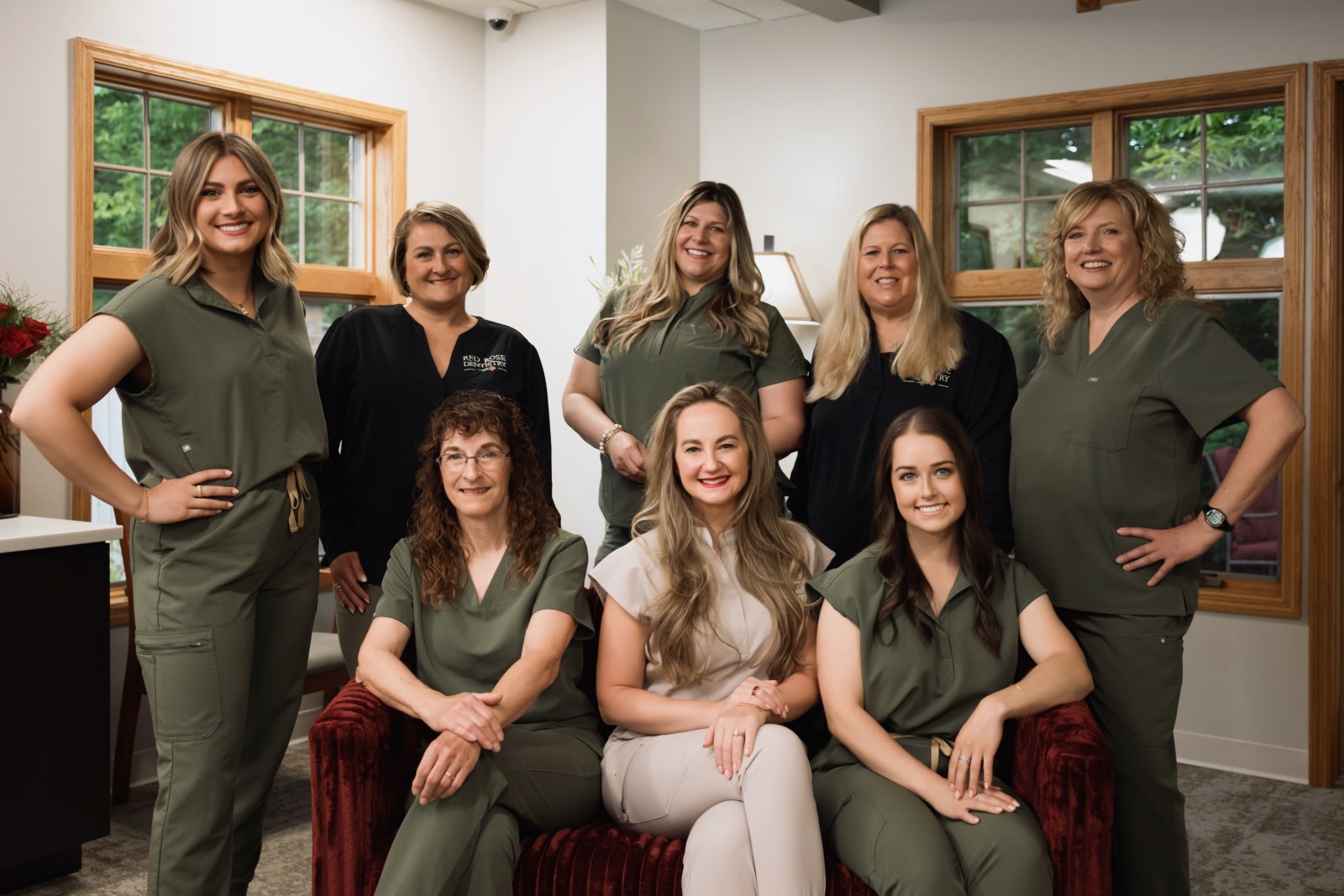
At Red Rose Dentistry, Dr. Emily Eckdahl takes a personalized approach to cosmetic treatment, considering both the appearance and function of your smile.
As a privately owned Brookfield practice, we value continuity of care and attention to detail, from your initial evaluation through the final shaping and polish.
We also offer complimentary cosmetic consultations and second opinions, along with assistance reviewing dental benefits and anticipated treatment costs. You'll have the information you need to make a decision that feels right for you.
Both use composite resin, but BioClear uses a clear matrix to guide material placement rather than relying entirely on freehand shaping. This can be particularly useful when rebuilding tooth contours and contact areas.
Many cosmetic cases require little to no drilling and can be completed without local anesthesia. However, this depends on the treatment area and preparation required. The matrix may create temporary pressure near the gums, and comfort options can be discussed beforehand.
In many cases, yes. Composite can be added to the sides of teeth to modify their contours and reduce certain black triangles. Suitability depends on the size of the space, tooth position, gum health, and underlying cause.
No. Composite can stain, wear, or chip over time. With appropriate care, restorations can last for years, although polishing, repairs, or eventual replacement may be necessary.
Often, yes. Minor damage can frequently be repaired without replacing the entire restoration. Contact our office if you notice a chip or rough area.
Composite can develop surface staining over time, particularly with frequent exposure to coffee, tea, red wine, or tobacco. Professional maintenance can help preserve its appearance.
Generally, before. Composite doesn't whiten like natural enamel, so completing whitening first helps us match the bonding to your desired tooth shade.
Many straightforward cases require one treatment visit after your consultation. More extensive cases or those involving additional dental procedures may take longer.
You don't necessarily need an extensive smile makeover to feel better about your teeth. Addressing a chipped edge, closing a small space, or restoring more balanced proportions may be enough to achieve the improvement you're looking for.
During your complimentary cosmetic consultation, Dr. Emily Eckdahl will evaluate your smile, discuss whether BioClear is appropriate, and explain your treatment options and anticipated costs.
Call (262) 860-1500 to schedule your complimentary cosmetic consultation at Red Rose Dentistry.